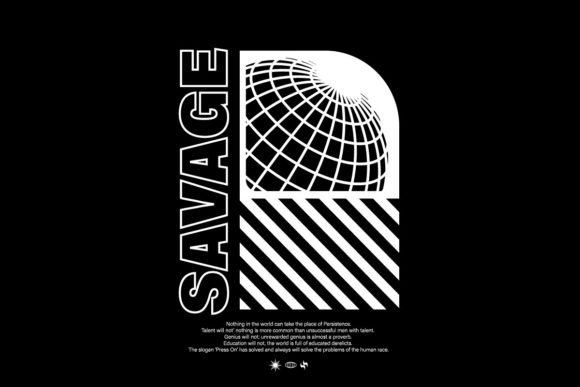
Skull Face Graphic Design: Urban Edge for Streetwear Brands
The Anatomy of a Bold Urban Aesthetic
Skull Face Graphic Design isn't just another set of illustrations—it's a statement. This collection captures the raw energy of street culture through meticulously crafted skull motifs that balance between macabre and beautiful. The visual characteristics lean heavily into bold line work, intricate detailing within bone structures, and often incorporate elements like flora, geometric patterns, or typographic accents. What makes this style resonate is its duality: it's simultaneously aggressive and artistic, rebellious yet refined. The personality it projects is one of confident nonconformity, appealing to audiences who identify with counter-culture, music subgenres like punk and metal, or simply appreciate the timelessness of skull iconography in art and fashion.
From a design perspective, the appeal lies in its versatility as a premium font alternative for visual branding. While it functions as a display font in spirit—commanding attention in headlines and logos—it's the underlying graphic style that gives it character. You'll notice it doesn't adhere to traditional serif font or sans serif font conventions. Instead, it operates as a visual language, a creative font system where the "letterforms" are skulls themselves. This makes it a powerful tool for logo design, especially for brands wanting an instant identity that communicates edginess and authenticity without a single word.
Where This Graphic Style Makes Its Mark
So, where does Skull Face Graphic Design work best? Its natural habitat is undeniably streetwear fashion and custom merchandise. Think oversized t-shirts, hoodies, and caps where the graphic becomes the focal point. The included high-resolution PNG files with transparent backgrounds are perfect for t-shirt sublimation, allowing the intricate details to pop on fabric. But its applications extend far beyond apparel. This style is exceptionally effective for:
- Brand Identity & Packaging Design: For breweries, skate shops, tattoo studios, or record labels, these graphics can form the cornerstone of a brand identity that feels established and gritty. Imagine them on bottle labels, shopping bags, or vinyl record sleeves.
- Digital & Social Media Graphics: In the digital realm, they create scroll-stopping social media graphics. A well-placed skull graphic can elevate an Instagram post, a YouTube channel banner, or a podcast cover art, instantly setting a tone that's unmistakable.
- Editorial & Web Design: While not for body copy, these elements shine in editorial design and web design as decorative motifs, section dividers, or featured article headers. They add a layer of texture and attitude to magazines, blogs, and online portfolios.
The key is context. A single skull graphic on a minimalist black tee speaks one message. The same graphic, scaled and layered with typography on a concert poster, speaks another. This is where the vector format becomes your best friend.
Practical Guide: Integrating and Customizing Your Assets
You've downloaded the ZIP file and extracted the EPS vector sources. Now what? The real power of this design asset is its editability. Because it's 100% vector, you can transform, scale, recolor, and deconstruct it in software like Adobe Illustrator or Affinity Designer without losing a pixel of quality. This is non-negotiable for professional work. A rasterized JPEG would fail you at the billboard scale or when you need to isolate a single element for a subtle logo mark.
Here’s a practical workflow for using Skull Face Graphic Design effectively:
- Evaluate Project Fit First: Before you even open the file, ask: Does my project's audience align with this aesthetic? A children's clothing brand? Probably not. A new music festival, a fitness apparel line with an edge, or a tech startup with a rebellious ethos? Absolutely. The graphic should amplify your message, not contradict it.
- Isolate and Adapt: Don't just use the whole graphic as-is. Open the vector file and break it apart. Maybe you only need the jawline to create a unique icon. Perhaps you'll use the negative space within the eye socket as a clever container for text. This customization is what separates a generic design from a proprietary brand identity.
- Master the Font Pairing: Pairing is critical. This graphic style has a strong personality, so your accompanying typeface should complement, not compete. A clean, geometric sans serif font can provide excellent contrast and readability for supporting text. A distressed script font might echo the hand-drawn feel. Test combinations in context—see how the skull graphic interacts with your chosen typeface on a mockup before finalizing.
- Consider the Commercial Use: The files are provided for such projects. Whether you're creating merchandise for sale, client work, or your own brand's marketing materials, understanding the licensing is key. These assets are ready for commercial application, which is vital for entrepreneurs and small business owners building a product line.
Ultimately, Skull Face Graphic Design is more than a file; it's a starting point for a visual conversation. It provides the raw, aesthetic material. Your skill as a designer, marketer, or brand builder lies in how you contextualize it, customize it, and integrate it into a coherent visual story that connects with your specific audience. The quality of the vector files ensures your creative vision isn't limited by technical constraints, allowing you to focus on strategy and execution.